P0113 Code: Intake Air Temperature Circuit High
Contents
P0113 means intake-air temperature sensor 1 circuit high. The wording concerns the circuit; it does not by itself prove the intake air is overheating.
OBD-II P0113 overview with a NAFTA 2015 Renegade/2016 Fiat 500X 2.4-litre ED6 wiring example built January 8–November 4, 2015.
Do not bridge connector pins or probe live circuits without the correct professional procedure. Avoid moving belts, fans and hot engine components.
P0113 describes a circuit reading
P0113 refers to intake air temperature sensor 1 circuit high. The important word is circuit: the code is not a direct announcement that the air entering the engine is dangerously hot. A scanner's short description should be read alongside the vehicle manufacturer's diagnostic information.
Treat the result as the beginning of an investigation. It identifies the monitored input, but it does not separately test the sensor, connector and wiring for you. Ordering an intake air temperature sensor solely because its name appears in the description skips that distinction.
A manufacturer example involving connector wiring
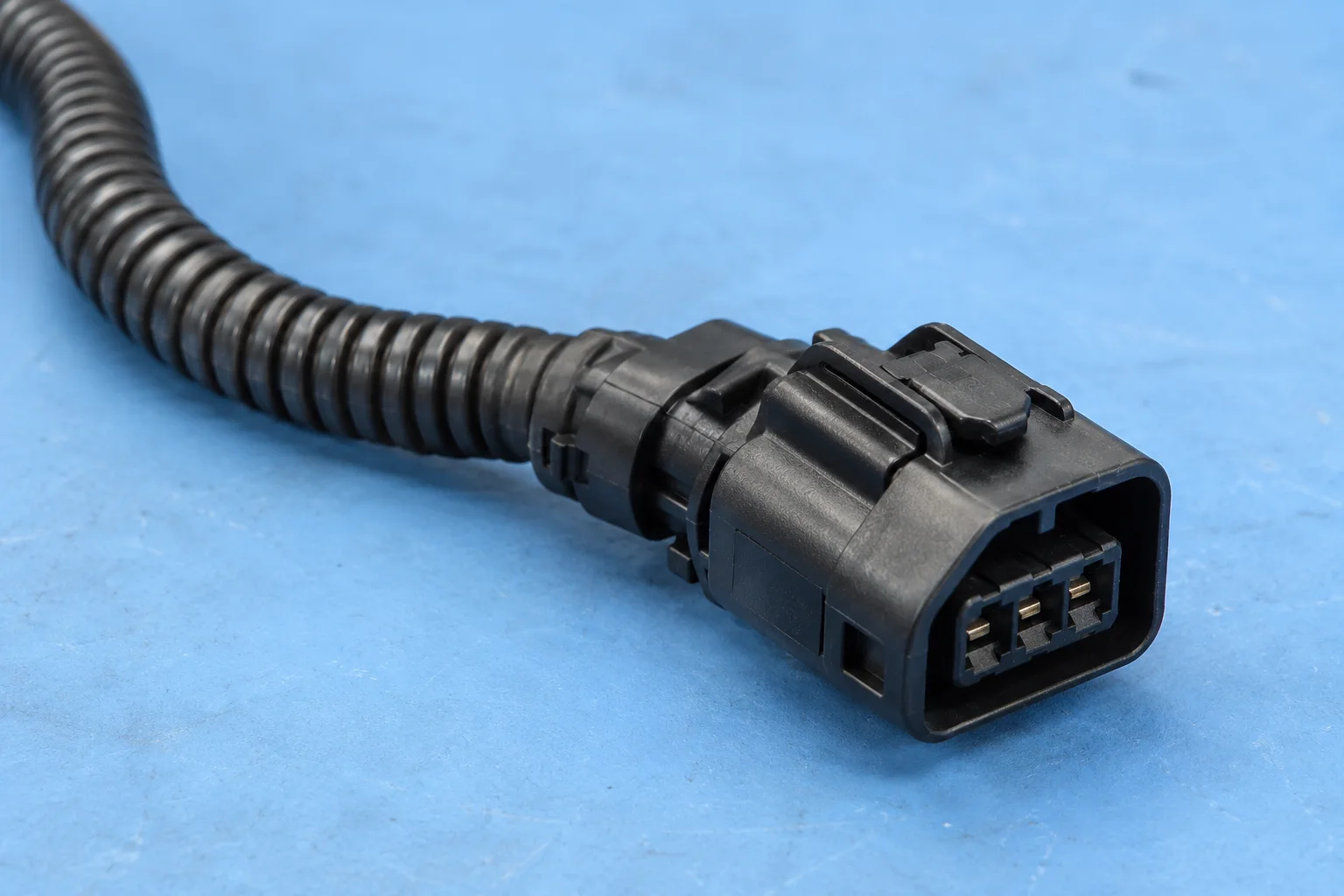
FCA bulletin 08-002-16 documents wire strain at the intake air temperature sensor connector. The specified service action adds a jumper harness to reduce that strain. This is a concrete example of P0113 involving the connection rather than a code-based instruction to replace the sensor.
Its application is narrow: NAFTA-market 2015 Jeep Renegade and 2016 Fiat 500X vehicles with the 2.4-litre ED6 engine, built from January 8 through November 4, 2015. Matching the engine capacity alone is insufficient. The model, year, market, engine identification and build period all matter.
The bulletin also requires other recorded faults or symptoms to be addressed through the appropriate diagnosis. It is not a shortcut that makes the rest of a scan report irrelevant, and it is not a repair instruction for every vehicle displaying P0113.
Save the evidence before clearing the code
Keep a photograph or export of the complete scan report. Write down when the warning first appeared and whether it followed work around the air intake. Describe the sequence accurately; a fault appearing after maintenance is useful history, but timing alone does not establish who or what caused it.
- Record all displayed codes, including any manufacturer-specific wording or suffixes.
- Save available freeze-frame information and the scanner's code status.
- Note whether the engine starts and runs normally, stalls or behaves differently from usual.
- Give the workshop the vehicle identification, engine details and relevant repair history.
Avoid repeatedly clearing the fault to keep the warning light off. That discards part of the diagnostic story without explaining the circuit condition. If you have already cleared it, say so and report whether it returned immediately or only after later use.
Safe observations and the limits of a visual check
An owner can record visible damage or a disconnected plug noticed during normal maintenance, but should not pull apart unfamiliar connectors to reproduce the fault. Do not probe terminals, bridge wires or apply power using pin information from another engine. A matching connector shape does not establish a matching circuit.
A photograph of an accessible suspect area can help a technician understand your report. It does not confirm electrical continuity, terminal contact or sensor operation. If access requires reaching near moving parts, removing covers or disturbing the intake, leave the inspection to someone equipped for that vehicle.
What a useful diagnostic explanation should contain
Ask which part of the circuit was checked and which result pointed to the proposed repair. For a harness repair, the explanation should identify the affected wiring or connection. For a sensor replacement, ask what established the sensor fault. For a bulletin-based repair, ask how vehicle applicability was confirmed.
The correct test values and connections come from the service information for that engine. A voltage or resistance number copied from a generic video cannot establish whether your sensor is within specification. Even a plausible-looking temperature reading needs interpretation under the conditions specified by the manufacturer.
Decide on the next step from the vehicle's behaviour
P0113 alone cannot provide a safe driving distance or a guarantee that continued use will be harmless. If the vehicle stalls, cannot be controlled normally or shows another urgent warning, stop in a safe place and arrange assistance. Otherwise, obtain vehicle-specific advice and book diagnosis rather than treating an apparently normal drive as proof that the fault is unimportant.
After work is completed, ask how the circuit and original symptom were rechecked. Keep the before-and-after scan information with the repair record. That gives a future technician something more useful than a history of replaced parts if the warning returns.
Frequently asked questions
Does “high” mean the air is too hot?
The P0113 wording concerns a high circuit condition. It must be interpreted through the sensor circuit and diagnostic data.
Should I replace the sensor immediately?
The FCA example shows why wiring and connector conditions must also be considered.
Can the Jeep/Fiat repair be used on any 2.4-litre engine?
No. The bulletin includes exact vehicle, market, build-date and engine restrictions.
Check the original documents
Sources
- FCA 08-002-16, January 9, 2016, page 1
P0113 circuit-high definition and connector wire strain; NAFTA models, ED6 and build-date applicability
Sources checked on 2026-10-25. Follow the instructions for your exact model.