P0301 Code: Cylinder 1 Misfire and the Next Diagnostic Steps
Contents
P0301 identifies a cylinder 1 misfire. Confirm the engine’s cylinder layout and diagnostic evidence before replacing a coil, plug or injector.
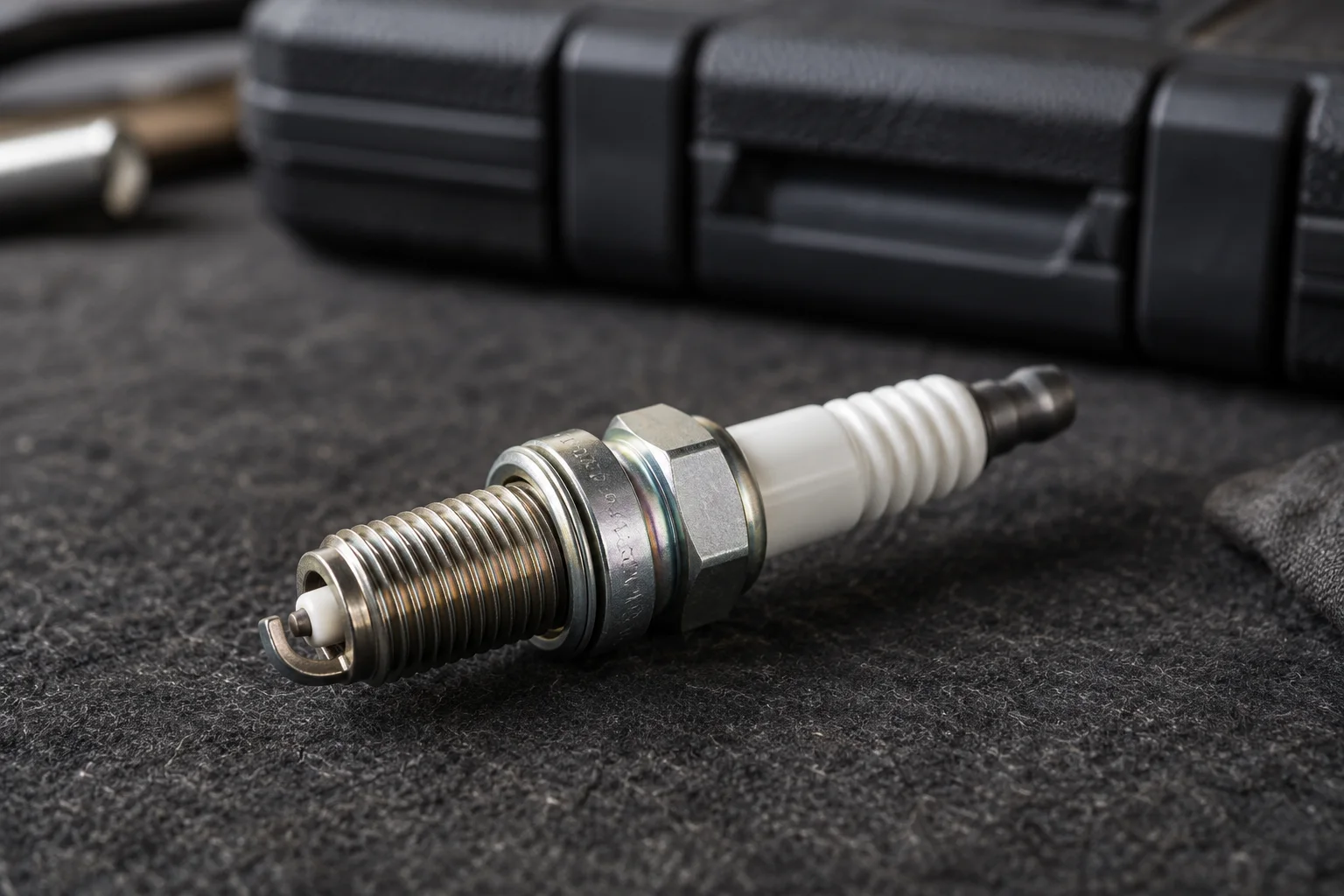
OBD-II P0301 overview with a specifically scoped 2013–2017 Honda Odyssey example. Cylinder numbering and repair tests depend on the engine.
A flashing engine warning can indicate a damaging misfire. Follow the vehicle manual; stop safely and seek assistance for severe shaking, loss of power or unsafe operation.
Cylinder 1 is the location, not the repair
P0301 reports a misfire assigned to cylinder 1. It does not identify the cause or tell you which physical corner of the engine contains that cylinder. Use the engine-specific cylinder diagram.
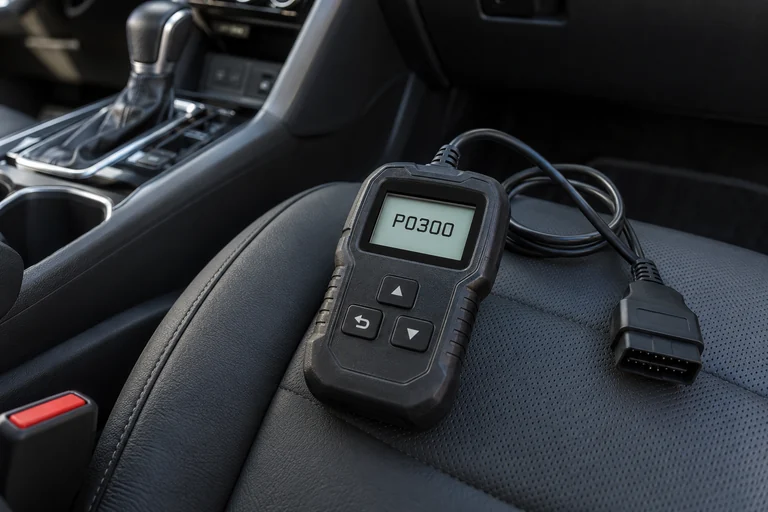
A broader P0300 misfire warning carries different location information. Keep all codes from the same scan instead of dropping those that seem less specific.
A useful example from Honda
Honda bulletin 26-001 covers eligible 2013–2017 Odyssey vehicles with specified misfire codes. It describes oil-related spark-plug fouling and requires diagnosis; its inspection path does not apply when the relevant plug is not fouled.
That is a model-specific reason not to equate P0301 with a failed ignition coil. It is also not evidence that another vehicle has piston-ring trouble. Eligibility and current instructions need a VIN check.
Describe when the engine runs badly
Note whether the symptom occurs during a cold start, warm idle or acceleration, and whether the warning is steady or flashing. Keep recent repair details and the complete scan report.
Ask the workshop which observation or test confirms the fault in cylinder 1. A recommendation to replace a part should be tied to that evidence, not merely to the cylinder number.
Keep the cylinder number and the engine layout separate
The number in P0301 is a diagnostic location. It is not a direction such as “the first plug at the front of the car.” Different engine layouts require their own identification information. If a repair estimate names a cylinder, ask the workshop to identify it using the service diagram for your exact engine.
This matters when comparing a photograph or repair video with your vehicle. Similar-looking engines can have different layouts, and a procedure for accessing a plug can involve different surrounding parts. Leave dismantling to someone using the correct instructions rather than choosing a component because it is easiest to reach.
What the Honda inspection does and does not prove
Honda’s bulletin has a decision point for the spark plug in the cylinder named by the code. A plug that is not fouled sends the technician back to normal troubleshooting. A matching model year and P0301 are therefore insufficient on their own to select the bulletin’s repair path.
On an eligible vehicle, ask whether the specified inspection finding was actually present. If it was not, ask which diagnostic route is being followed instead. This prevents an example of oil-related fouling from becoming an unsupported diagnosis of piston-ring trouble or an automatic order for major engine work.
Eligibility also needs to be checked separately from technical similarity. An online service document does not establish that a particular vehicle qualifies for a warranty repair. The service provider must confirm the VIN and current terms through the manufacturer.
Make the repair result specific to the complaint
A useful handover links three pieces of information: the original symptom, the finding that explains it, and the check after the work. For a cold-start complaint, tell the workshop that timing before it begins testing. If the engine ran smoothly at the appointment but shook earlier, report both observations rather than describing the problem as constant.
Keep all companion codes on the report. If a later scan identifies a different cylinder or a broader misfire result, that change should be evaluated rather than concealed by repeatedly erasing the memory.
Ask whether the original operating condition was assessed after repair and whether further verification is needed. A newly fitted coil or plug is a record of work performed; the absence of the original misfire under the required checks is the evidence that matters.
Treat the warning lamp as part of the information
Ford’s warning-lamp guidance notes that flashing can accompany misfire and damaging exhaust temperatures. Your own manual provides the response for your vehicle.
Do not keep driving to reproduce severe shaking or loss of power. Request a repair-verification result after the cause has been addressed rather than treating an erased code as the entire outcome.
Frequently asked questions
Does P0301 always mean the coil is faulty?
No. It identifies the cylinder where misfire was detected, not the failed component.
Is cylinder 1 always closest to the front bumper?
Do not assume that. Use the cylinder-location diagram for the exact engine.
Does the Honda bulletin apply to every Odyssey?
Its listed years and VIN eligibility must be checked, and its diagnostic conditions must be satisfied.
Check the original documents
Sources
- Honda bulletin, cylinder-specific misfire diagnosis, pages 1 and 10
P0301 cylinder 1 and specific oil-fouling diagnosis
- Ford owner manual: Malfunction Indicator Lamp
Flashing lamp, misfire and catalyst damage risk
Sources checked on 2026-10-25. Follow the instructions for your exact model.