P0401 Code: Insufficient EGR Flow and Diagnosis
Contents
P0401 reports insufficient EGR flow. A valve replacement is not a diagnosis; check the engine’s flow-monitoring and manufacturer service information.
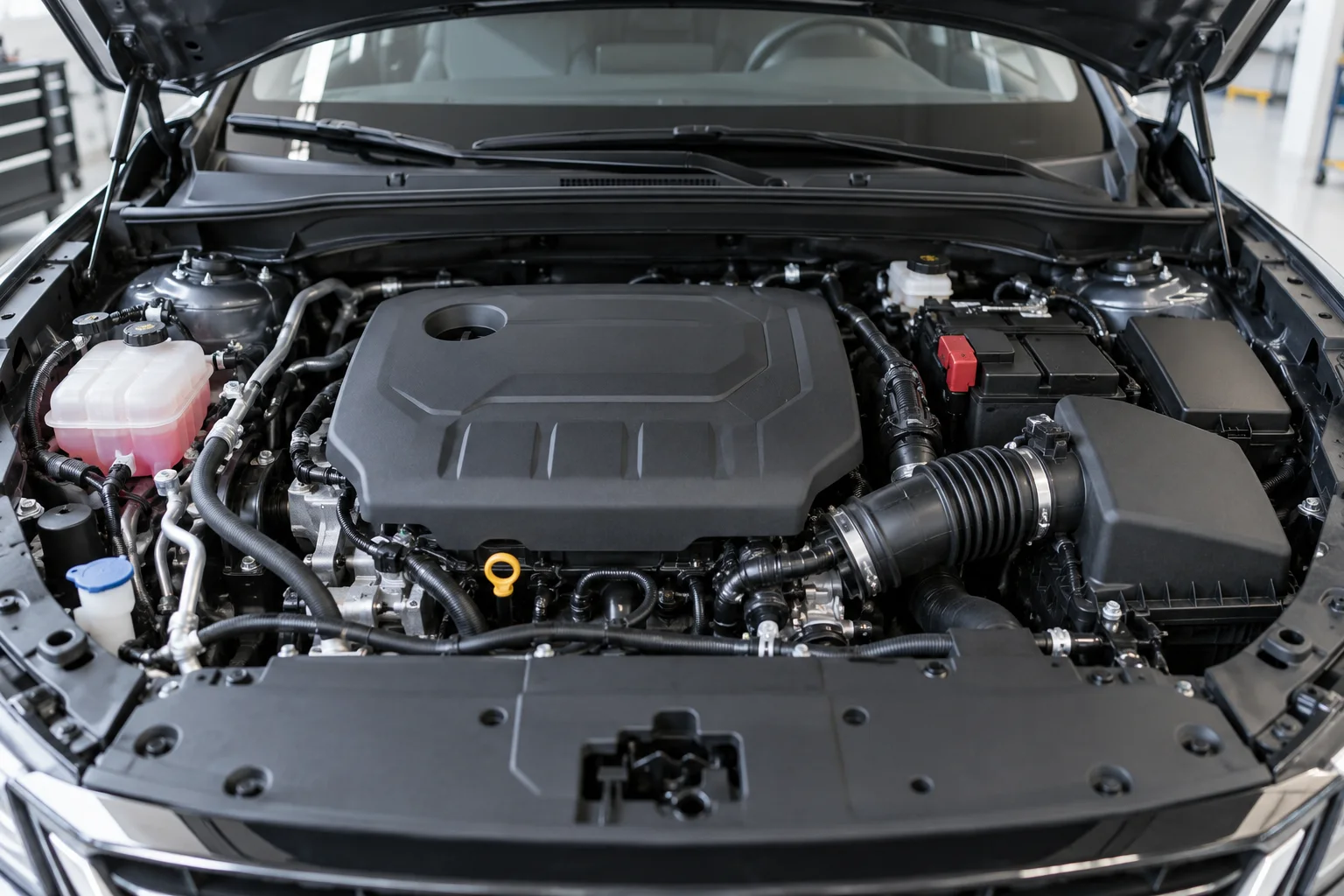
OBD-II P0401 overview. Ford 24-2263 example: North American 2024 Edge/2023 Nautilus 2.0-litre EcoBoost built August 28, 2023–April 2, 2024.
Do not disable or blank the EGR system. Avoid hot exhaust parts and coolant; respond to overheating or coolant-loss warnings using the vehicle manual.
What insufficient EGR flow actually tells you
P0401 means the engine's diagnostic system has detected insufficient exhaust gas recirculation flow under its monitoring conditions. EGR is the abbreviation for exhaust gas recirculation. The result describes the monitored function; it does not identify one failed component simply because the code includes EGR.
The Ford and Lincoln gasoline OBD summary describes flow monitoring and related checks for the systems it covers. Its thresholds and test conditions belong to those applications. They should not be transferred to a different engine as a universal home test.
Why replacing the EGR valve is not the first conclusion
A flow-related result and a confirmed valve failure are different findings. Before recommending a part, the workshop needs to determine how the particular engine measures and controls EGR and what its diagnostic sequence requires. A scanner's brief label cannot supply those answers.
Ask what evidence distinguishes the proposed cause from the other checks in the manufacturer's procedure. If cleaning is suggested, ask what was found to need cleaning and how operation will be checked afterward. If replacement is suggested, ask what test or inspection supports it. This keeps the decision tied to the vehicle rather than to a generic list of likely parts.
A Ford example with cooling-system symptoms
Ford TSB 24-2263 concerns specified North American 2024 Edge and 2023 Nautilus vehicles with the 2.0-litre EcoBoost engine, built from August 28, 2023 through April 2, 2024. It describes a coolant-control restriction and possible EGR cooler damage, with particular cooling-system complaints and codes.
This example explains why a report of coolant loss, white exhaust smoke or overheating must not be discarded merely because the scanner mentions EGR. It does not establish that every P0401 vehicle has a cracked cooler. Vehicle identification and the full symptom pattern must match before that service information is used.
Record symptoms that change the investigation
Keep the complete scan report and describe what you noticed before the warning. Separate observations from interpretations: write that coolant needed topping up, for example, rather than deciding that the EGR cooler leaks. The first statement records evidence; the second requires diagnosis.
- Note whether P0401 is the only code or appears with other warnings.
- Record changes in temperature indication, coolant level or visible exhaust behaviour.
- Describe whether the complaint occurs from cold, when warm or during particular driving conditions.
- Include recent engine, cooling-system or intake work and the vehicle's engine identification.
Do not run a vehicle until it overheats just to reproduce the symptom. If temperature rises abnormally, coolant is escaping or the engine behaves unsafely, stop safely and obtain assistance. Do not open a hot pressurised cooling system.
Avoid universal cleaning and bypass advice
An online EGR cleaning procedure may show a different component layout, fastener arrangement or control system. Even when the part looks similar, the access instructions and checks may not apply. A video is useful only when its application matches and the procedure is appropriate to the person doing the work.
Do not block passages, disconnect controls or alter emissions equipment as a way to silence the warning. Removing the symptom from the display is not the same as restoring the function that the monitor checks. Likewise, clearing the code before recording the fault removes information without identifying its cause.
What to ask when the repair is complete
Request an explanation of the diagnosed condition, the work performed and the check used to verify the result. If the original complaint included coolant loss or overheating, ask how that complaint was addressed in addition to the stored code. A successful check of one symptom should not be presented as proof that every associated concern has been resolved.
Keep the repair report and scan results. If P0401 returns, the timing and operating conditions after the repair can help the next investigation. A documented result is more informative than repeating the same cleaning routine or replacing another EGR-related part without a new finding.
Frequently asked questions
Does P0401 always mean a blocked EGR valve?
No. The monitor result does not identify a single component, and manufacturer examples can involve related systems.
Is coolant loss relevant?
It is important to report. Ford’s cited, narrowly scoped bulletin includes cooling-system symptoms; other vehicles need their own diagnosis.
Can I use the Ford bulletin for any EcoBoost?
No. Its vehicle, engine, build-date and market restrictions must all be checked.
Check the original documents
Sources
- Ford/Lincoln 2024–2025 gasoline OBD monitor summary, revision July 16, 2024
P0401 insufficient EGR flow
- Ford TSB 24-2263
Specified Ford/Lincoln coolant-control restriction and EGR cooler condition
Sources checked on 2026-10-25. Follow the instructions for your exact model.