P0430 Code: Bank 2 Catalyst Efficiency and What to Check
Contents
P0430 reports low catalyst-system efficiency on Bank 2. Save the complete scan and check vehicle-specific test results before approving a converter replacement.
General P0430 interpretation. Ford monitor details refer to 2024–2025 gasoline systems. Honda 19-072 is a historical American Honda example with the model and VIN restrictions listed in its December 2019 version; current applicability requires dealer verification.
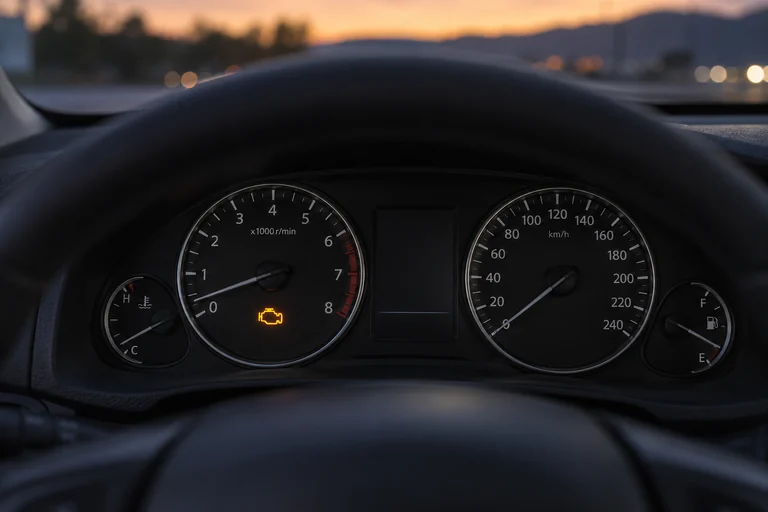
A flashing engine lamp or serious drivability symptoms require prompt attention. Stop safely if severe symptoms occur. Do not work around hot exhaust parts or open high-pressure fuel systems.
What P0430 means, and what it does not prove
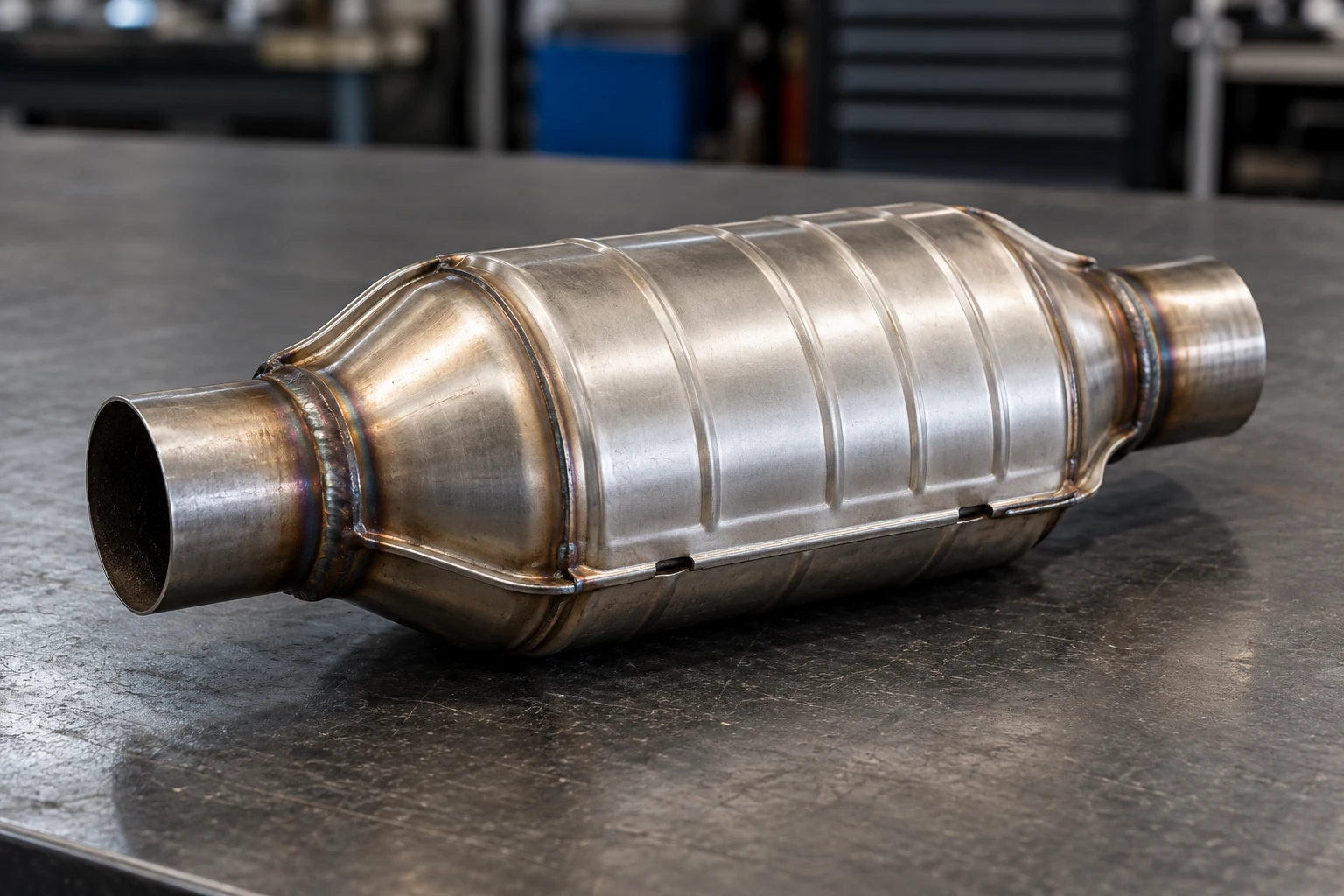
P0430 reports catalyst-system efficiency below the required threshold on Bank 2. It identifies a monitoring result, not a confirmed failed part. Ford's gasoline OBD reference separates it from P0420, the Bank 1 or Y-pipe catalyst code in the systems described there.
The important distinction is between detecting a problem and finding its cause. A repair estimate should explain the diagnostic evidence behind a converter replacement. The words “catalyst efficiency” on a scanner do not establish that an oxygen sensor, an injector or the converter itself has failed.
For the related Bank 1 warning, see P0420 catalyst efficiency. Keep the exact code from your own vehicle: changing one digit changes which diagnostic result you are investigating.
Record these details before booking a repair
Create a short fault record while the original information is available. Bosch's scan-tool instructions explain that freeze-frame data can disappear when codes are erased. A freeze frame supplies operating conditions associated with a fault, so save its code association as well as its values.
- Record the make, model, year and engine, together with the vehicle identification number for the workshop.
- Copy every code and its displayed status, including pending results.
- Save the freeze frame with units, rather than transcribing an isolated number.
- Note whether the warning appeared after a cold start, during a journey or after recent work.
- Describe any rough running or loss of power and whether the warning light was steady or flashing.
Separate observations from guesses. “The engine shook at a stop” is a useful symptom report; “the converter is blocked” is a conclusion that needs testing. If the reader cannot export data, photographs of the relevant screens are sufficient to preserve what it actually displayed.
Why the other codes matter
Ford's 2024–2025 gasoline documentation lists prerequisites for its catalyst monitor, including sensor checks, and describes other faults that can prevent the monitor from running. Its test limits and operating conditions are specific to those systems. Do not transplant an online voltage example or driving routine into a different manufacturer's procedure.
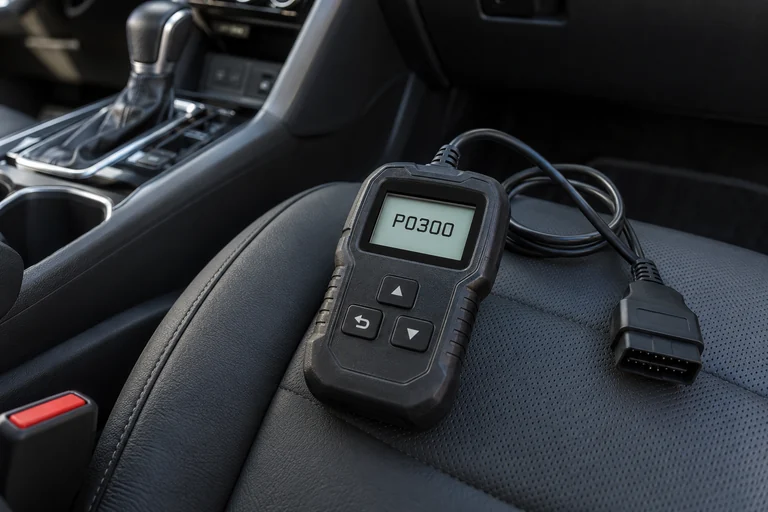
If P0300 random misfire is present as well, give the technician both results. Ask which fault needs investigating first and why. A complete report is more useful than erasing the additional warnings to leave only P0430 on the screen.
A Honda example: software and fuel injectors can be relevant
American Honda bulletin 19-072, version 2 illustrates why a converter diagnosis needs vehicle-specific evidence. It covers 2016 Pilot and 2017 Ridgeline models, plus specified VIN ranges of the 2017 Pilot and 2018 Odyssey. These are the American Honda applications listed in the document, not a worldwide instruction for every Honda with P0430.
The bulletin describes software that can misinterpret sensor information, and possible injector wear or clogging associated with debris. Its service route depends on the accompanying codes, software status and, where specified, a cylinder air-fuel test. Converter replacement is not the automatic starting point.
Ask a Honda dealer to check your VIN and current service information before applying this historical example. It does not promise warranty coverage, and the injector work is a professional procedure. Do not open a high-pressure fuel system to investigate it yourself.
Questions worth asking before approving parts
The Innova code-reader manual directs users to the correct vehicle tests before replacing components. Turn that principle into a focused conversation with the repairer:
- Which test failed, and what result should this engine produce?
- Has the correct bank and exhaust configuration been identified from service information?
- Does a manufacturer bulletin apply to this VIN, engine and software version?
- What will be checked after the repair to confirm that it worked?
Request an itemised estimate separating diagnosis from the proposed repair. If more than one component is recommended, ask which finding supports each replacement. Keep the original report and the final findings together so that a returning warning can be assessed against the previous work.
A cleared warning is not a completed verification
After repairs, the workshop should explain the follow-up scan and any unfinished emissions monitors. California's Bureau of Automotive Repair distinguishes readiness from stored faults and explains that permanent codes cannot simply be erased with a scanner or battery disconnection. The vehicle must verify that the fault is no longer present. California inspection criteria are not worldwide rules.
Do not drive an arbitrary distance just to make the screen look clear. Ask which verification procedure applies and whether the vehicle is suitable for that test. A flashing engine light, severe shaking or power loss takes priority over completing a monitor. Ford's warning-lamp guidance identifies flashing as a possible misfire warning with a risk of catalyst damage. Stop safely and arrange assistance if serious symptoms occur. Leave checks around hot exhaust components to qualified service.
Frequently asked questions
Does P0430 always need a new catalytic converter?
No. It is a catalyst-efficiency monitoring result. The vehicle-specific diagnosis must establish the cause; the scoped Honda example includes software and injector considerations.
Is Bank 2 always the passenger side?
Do not identify the bank from a left/right or passenger-side assumption. Use the engine and exhaust layout in the service information for your exact vehicle.
Can clearing P0430 prove the repair worked?
No. Preserve the original evidence and have the repair verified. Erasing a code does not establish that the catalyst monitor has completed successfully.
Check the original documents
Sources
- Ford/Lincoln 2024–2025 gasoline OBD summary, July 16 2024, pages 2–4
Bank-specific definitions and catalyst-monitor prerequisites, not universal thresholds
- American Honda 19-072 version 2, December 20 2019, pages 1–2
Model/VIN scope, software and injector example, professional service only
- Bosch OBD1200 manual revision B March 2016, page 33
Freeze-frame loss on erasure
- Innova 3020RS manual, pages 1–2, 12 and 24
Diagnostic testing before replacing parts and hot-component precautions
- California BAR OBD Test Reference, permanent-code/readiness sections
Verification and readiness distinction; California inspection rules not global
- Ford 2000 F-Series owner guide, page 11
Flashing engine-lamp warning and misfire/catalyst risk
Sources checked on 2026-10-25. Follow the instructions for your exact model.