Cars & OBD · P0299
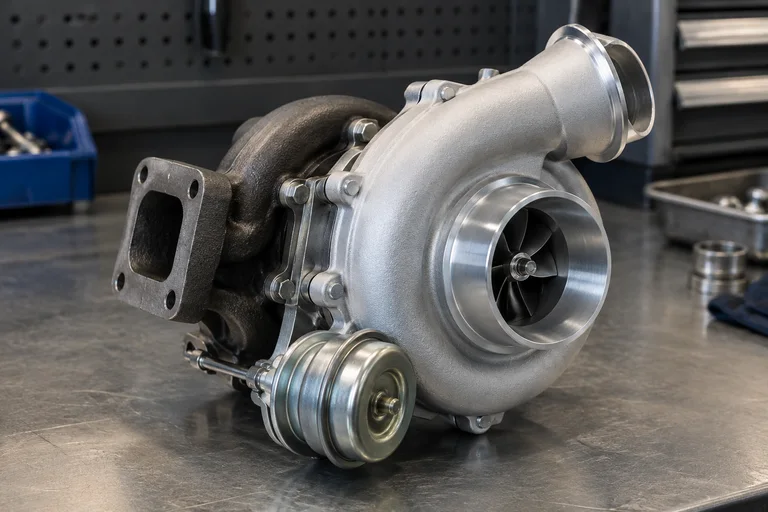
P0299 Code: Underboost Does Not Always Mean a Failed Turbo
P0299 reports underboost. Check the engine-specific diagnostic path before assuming the turbocharger needs replacing.
Find the meaning of a diagnostic trouble code, possible causes and what to discuss with your workshop.
P0299 reports underboost. Check the engine-specific diagnostic path before assuming the turbocharger needs replacing.
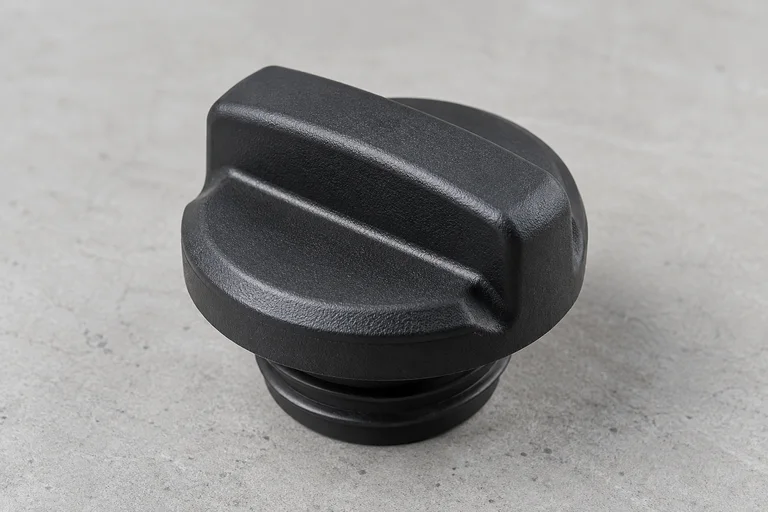
P0442 reports a small EVAP leak. Preserve the scan results and confirm the vehicle-specific test finding before replacing caps, valves or a canister.
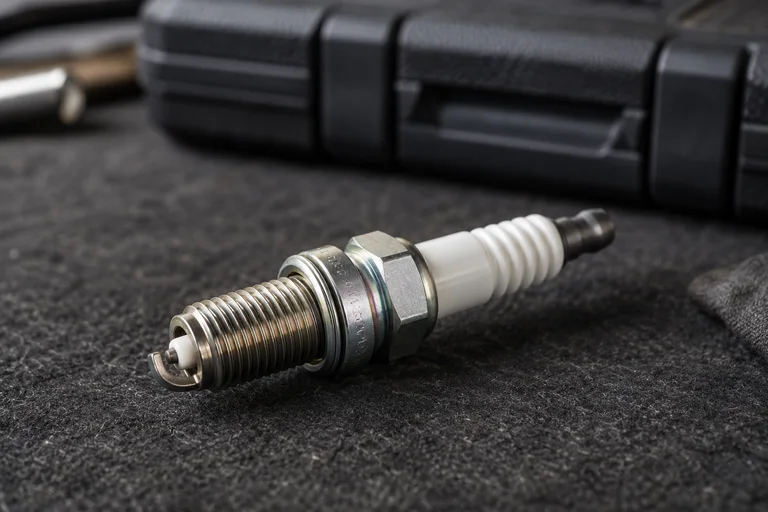
P0301 identifies a cylinder 1 misfire. Confirm the engine’s cylinder layout and diagnostic evidence before replacing a coil, plug or injector.

P0456 reports a very small EVAP leak. The code does not locate the problem; vehicle-specific testing should confirm the cause before parts are replaced.
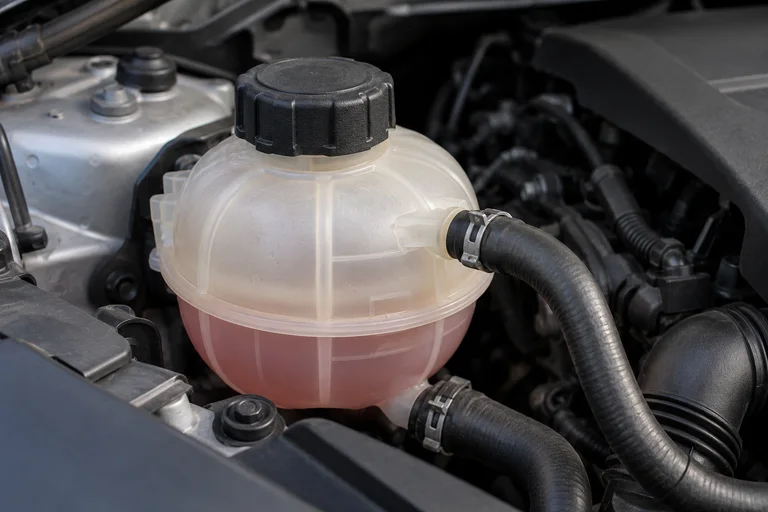
P0128 means coolant stayed below the expected regulating temperature. Check the vehicle-specific diagnosis before replacing a thermostat.
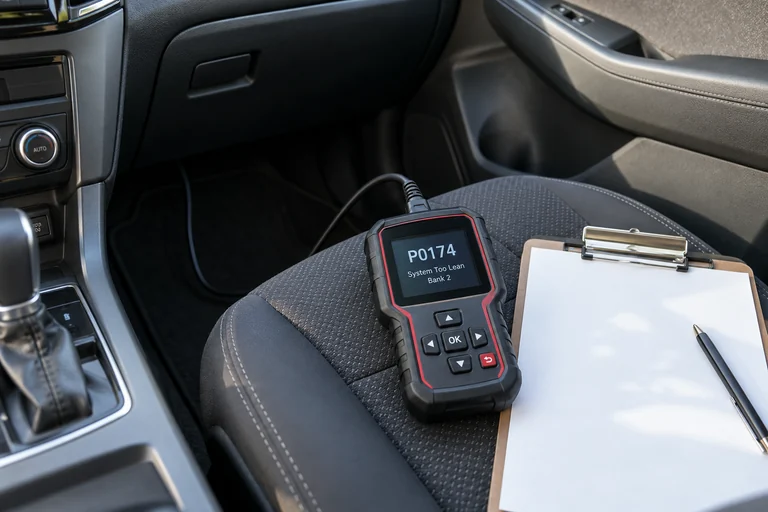
P0174 reports a lean condition on Bank 2. The useful next step is to preserve the diagnostic data and find out why fuel control has reached its limit, rather than choosing a sensor from the code alone.
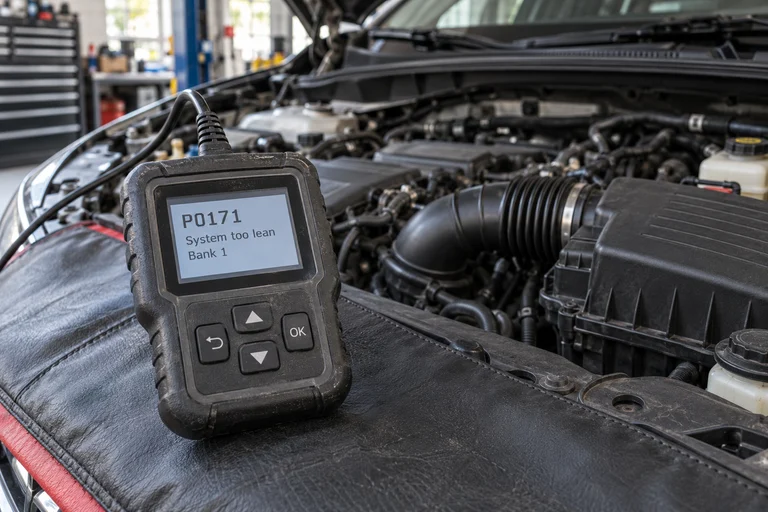
P0171 means the engine control system has detected a lean condition on Bank 1. An air leak can be responsible, but the code does not identify a failed oxygen sensor or a specific replacement part.
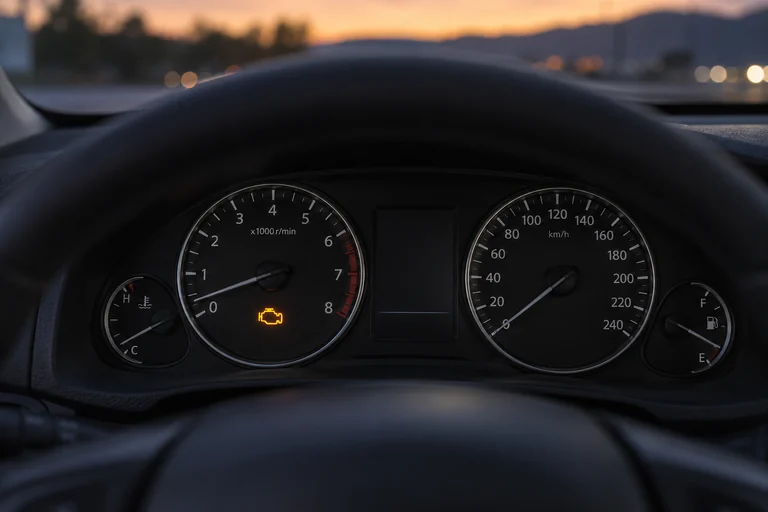
P0420 means the catalyst system on Bank 1 is performing below its accepted efficiency threshold. The result needs diagnosis: it is not, by itself, an instruction to replace an oxygen sensor or catalytic converter.
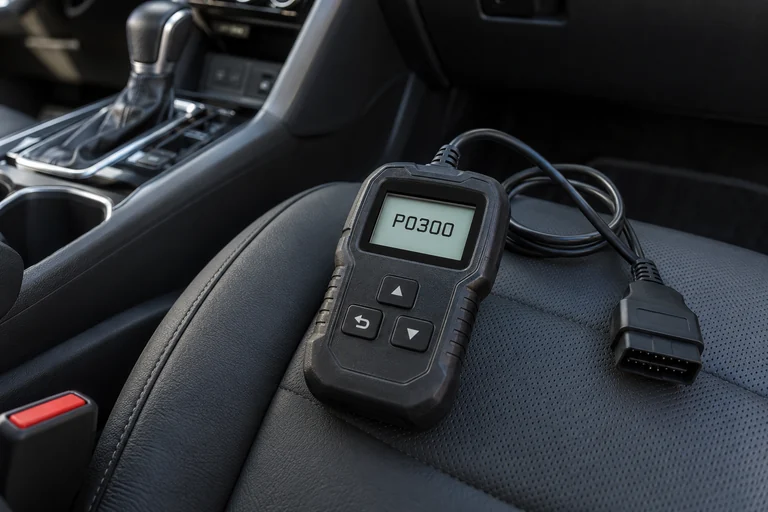
P0300 reports a random misfire. Ford’s diagnostic reference describes multiple cylinders misfiring or a misfire that the control module cannot assign to one cylinder.